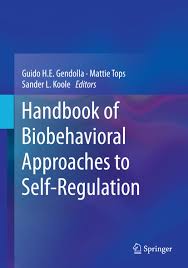
| Judul | Handbook of Biobehavioral Approaches to Self-Regulation / Guido H.E. Gendolla, Mattie Tops, Sander L. Koole |
| Pengarang | Gendolla, Guido H.E. Tops, Mattie Koole, Sander L. |
| Penerbitan | New York : Springer, 2015 |
| Deskripsi Fisik | 421 p. :ill. |
| ISBN | 978-1-4939-1236-0 |
| Subjek | PERSONALITY AND SOCIAL PSYCHOLOGY PSYCHOLOGY RESEARCH DEVELOPMENTAL PSYCHOLOGY |
| Catatan | ?How can people master their own thoughts, feelings, and actions? This question is central to the scientific study of self-regulation. The behavioral side of self-regulation has been extensively investigated over the last decades, but the biological machinery that allows people to self-regulate has mostly remained vague and unspecified. Handbook of Biobehavioral Approaches to Self-Regulation corrects this imbalance. Moving beyond traditional mind-body dualities, the various contributions in the book examine how self-regulation becomes established in cardiovascular, hormonal, and central nervous systems. Particular attention is given to the dynamic interplay between affect and cognition in self-regulation. The book also addresses the psychobiology of effort, the impact of depression on self-regulation, the development of self-regulation, and the question what causes self-regulation to succeed or fail. These novel perspectives provide readers with a new, biologically informed understanding of self-awareness and |
| Bentuk Karya | Tidak ada kode yang sesuai |
| Target Pembaca | Tidak ada kode yang sesuai |
| Lokasi Akses Online |
http://link.springer.com/openurl?genre=book&isbn=978-1-4939-1235-3 |
| No Barcode | No. Panggil | Akses | Lokasi | Ketersediaan |
|---|---|---|---|---|
| 183515292 | 612.8 Gen h | Baca Online | Perpustakaan Pusat - Online Resources Ebook |
Tersedia |
| Tag | Ind1 | Ind2 | Isi |
| 001 | INLIS000000000158403 | ||
| 005 | 20250303090727 | ||
| 007 | ta | ||
| 008 | 250303################|##########|#|## | ||
| 020 | # | # | $a 978-1-4939-1236-0 |
| 035 | # | # | $a 0010-0325000022 |
| 082 | # | # | $a 612.8 |
| 084 | # | # | $a 612.8 Gen h |
| 100 | 1 | # | $a Gendolla, Guido H.E. |
| 245 | 1 | # | $a Handbook of Biobehavioral Approaches to Self-Regulation /$c Guido H.E. Gendolla, Mattie Tops, Sander L. Koole |
| 260 | # | # | $a New York :$b Springer,$c 2015 |
| 300 | # | # | $a 421 p. : $b ill. |
| 505 | # | # | $a ?How can people master their own thoughts, feelings, and actions? This question is central to the scientific study of self-regulation. The behavioral side of self-regulation has been extensively investigated over the last decades, but the biological machinery that allows people to self-regulate has mostly remained vague and unspecified. Handbook of Biobehavioral Approaches to Self-Regulation corrects this imbalance. Moving beyond traditional mind-body dualities, the various contributions in the book examine how self-regulation becomes established in cardiovascular, hormonal, and central nervous systems. Particular attention is given to the dynamic interplay between affect and cognition in self-regulation. The book also addresses the psychobiology of effort, the impact of depression on self-regulation, the development of self-regulation, and the question what causes self-regulation to succeed or fail. These novel perspectives provide readers with a new, biologically informed understanding of self-awareness and self-agency. Among the topics being covered are: Self-regulation in an evolutionary perspective. The muscle metaphor in self-regulation in the light of current theorizing on muscle physiology. From distraction to mindfulness: psychological and neural mechanisms of attention strategies in self-regulation. Self-regulation in social decision-making: a neurobiological perspective. Mental effort: brain and autonomic correlates in health and disease. A basic and applied model of the body-mind system. Handbook of Biobehavioral Approaches to Self-Regulation provides a wealth of theoretical insights into self-regulation, with great potential for future applications for improving self-regulation in everyday life settings, including education, work, health, and interpersonal relationships. The book highlights a host of exciting new ideas and directions and is sure to provoke a greatdeal of thought and discussion among researchers, practitioners, and graduate-level students in psychology, education, neuroscience, medicine, and behavioral economics. |
| 650 | # | # | $a DEVELOPMENTAL PSYCHOLOGY |
| 650 | # | # | $a PERSONALITY AND SOCIAL PSYCHOLOGY |
| 650 | # | # | $a PSYCHOLOGY RESEARCH |
| 700 | 1 | # | $a Koole, Sander L. |
| 700 | 1 | # | $a Tops, Mattie |
| 856 | # | # | $a http://link.springer.com/openurl?genre=book&isbn=978-1-4939-1235-3 |
| 990 | # | # | $a 183515292 |
Content Unduh katalog
Karya Terkait :