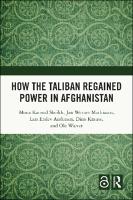
| Judul | How the Taliban Regained Power in Afghanistan / Sheikh, Mona Kanwal |
| Pengarang | Sheikh, Mona Kanwal Mathiasen, Jan Werner Andersen, Lars Erslev Krause, Dino Wæver, Ole |
| Penerbitan | Oxford : Taylor & Francis, 2026 |
| Deskripsi Fisik | 264 hlm. :ill |
| ISBN | 9781003652946 |
| Subjek | Afghanistan—Politics and government—21st century |
| Catatan | This book examines how the Taliban were able to regain power in Afghanistan in 2021, some 20 years after the US intervention. The volume presents an analysis of the factors that contributed to the Taliban’s ability to seize power following the withdrawal of the international coalition in August 2021, marking the end of 20 years of international engagement in the country. It is the result of a thorough review of research and policy publications over the course of 20 years, and is based on open-source data, including threat assessments of the Danish intelligence services. There are multiple explanations in academic and policy reports as to why the Taliban were able to take power despite the efforts expected to prevent this from happening. Based on existing research literature, analyses, studies and reports, the book identifies five factors that are central to understanding the outcome. These factors offer overarching explanations for why the Taliban were able to regain power, with each encompassing different cl |
| Bentuk Karya | Tidak ada kode yang sesuai |
| Target Pembaca | Tidak ada kode yang sesuai |
| Lokasi Akses Online |
https://directory.doabooks.org/handle/20.500.12854/173999 |
| No Barcode | No. Panggil | Akses | Lokasi | Ketersediaan |
|---|---|---|---|---|
| 233326192 | 958.1047 She h | Baca Online | Perpustakaan Pusat - Online Resources Ebook |
Tersedia |
| Tag | Ind1 | Ind2 | Isi |
| 001 | INLIS000000000168101 | ||
| 005 | 20260409023222 | ||
| 007 | ta | ||
| 008 | 260409################|##########|#|## | ||
| 020 | # | # | $a 9781003652946 |
| 035 | # | # | $a 0010-0426000250 |
| 082 | # | # | $a 958.1047 |
| 084 | # | # | $a 958.1047 She h |
| 100 | 0 | # | $a Sheikh, Mona Kanwal |
| 245 | 1 | # | $a How the Taliban Regained Power in Afghanistan /$c Sheikh, Mona Kanwal |
| 260 | # | # | $a Oxford :$b Taylor & Francis,$c 2026 |
| 300 | # | # | $a 264 hlm. : $b ill |
| 505 | # | # | $a This book examines how the Taliban were able to regain power in Afghanistan in 2021, some 20 years after the US intervention. The volume presents an analysis of the factors that contributed to the Taliban’s ability to seize power following the withdrawal of the international coalition in August 2021, marking the end of 20 years of international engagement in the country. It is the result of a thorough review of research and policy publications over the course of 20 years, and is based on open-source data, including threat assessments of the Danish intelligence services. There are multiple explanations in academic and policy reports as to why the Taliban were able to take power despite the efforts expected to prevent this from happening. Based on existing research literature, analyses, studies and reports, the book identifies five factors that are central to understanding the outcome. These factors offer overarching explanations for why the Taliban were able to regain power, with each encompassing different clusters of challenges that constituted central conditions for the Taliban takeover. Although the book is not about assigning blame, the explanations provided here can contribute to further discussion about how to ensure the necessary knowledge base for future decisions when confronted with new emergencies calling for possible international intervention. This book will be of interest to students of security studies, conflict resolution, Asian security, military interventions, peace building, and International Relations. |
| 650 | # | # | $a Afghanistan—Politics and government—21st century |
| 700 | 0 | # | $a Andersen, Lars Erslev |
| 700 | 0 | # | $a Krause, Dino |
| 700 | 0 | # | $a Mathiasen, Jan Werner |
| 700 | 0 | # | $a Wæver, Ole |
| 856 | # | # | $a https://directory.doabooks.org/handle/20.500.12854/173999 |
| 990 | # | # | $a 233326192 |
Content Unduh katalog
Karya Terkait :