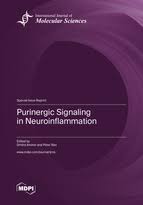
| Judul | Purinergic Signaling in Neuroinflammation / Edited by: Dmitry Aminin; Peter Illes |
| Penerbitan | Bassel : MDPI, 2023 |
| Deskripsi Fisik | 278p. :ill. |
| ISBN | 978-3-0365-7686-2 |
| Subjek | NERVOUS SYSTEM - DISEASES |
| Catatan | It is currently apparent that extracellular ATP's physiological effect is mediated by its interaction with specific purinergic receptors. All purinergic receptors are divided into P1-purinoreceptors and P2-purinoreceptors. Each of the subtypes is divided into a number of families. For instance, P2 receptors are divided into P2X and P2Y receptors according to the mechanism by which their effect is realized: P2Y are G-protein-coupled receptors, while P2X receptors are ligand-operated ion channels. P2X receptors are important molecular therapeutic targets, the malfunctioning of which leads to severe complications in the physiology of humans and animals and causes dangerous diseases. The search for compounds that can modulate the function of purinergic receptors can lead to the creation of new drugs that are effective in central and peripheral nervous system and immune system disease treatment, including neuroinflammation, hypoxia/ischemia, epilepsy and neuropathic pain. In this Special Issue, we wish to offer a |
| Bentuk Karya | Tidak ada kode yang sesuai |
| Target Pembaca | Tidak ada kode yang sesuai |
| Lokasi Akses Online |
https://mdpi-res.com/bookfiles/book/7312/Purinergic_Signaling_in_Neuroinflammation.pdf?v=1773108455 |
| No Barcode | No. Panggil | Akses | Lokasi | Ketersediaan |
|---|---|---|---|---|
| 217526192 | 616.8 Pur | Dapat dipinjam | Perpustakaan Pusat - E-Lib KKB Ebook |
Tersedia
pesan |
| Tag | Ind1 | Ind2 | Isi |
| 001 | INLIS000000000167435 | ||
| 005 | 20260310022511 | ||
| 007 | ta | ||
| 008 | 260310################|##########|#|## | ||
| 020 | # | # | $a 978-3-0365-7686-2 |
| 035 | # | # | $a 0010-0326000164 |
| 082 | # | # | $a 616.8 |
| 084 | # | # | $a 616.8 Pur |
| 245 | # | # | $a Purinergic Signaling in Neuroinflammation /$c Edited by: Dmitry Aminin; Peter Illes |
| 260 | # | # | $a Bassel :$b MDPI,$c 2023 |
| 300 | # | # | $a 278p. : $b ill. |
| 504 | # | # | $a It is currently apparent that extracellular ATP's physiological effect is mediated by its interaction with specific purinergic receptors. All purinergic receptors are divided into P1-purinoreceptors and P2-purinoreceptors. Each of the subtypes is divided into a number of families. For instance, P2 receptors are divided into P2X and P2Y receptors according to the mechanism by which their effect is realized: P2Y are G-protein-coupled receptors, while P2X receptors are ligand-operated ion channels. P2X receptors are important molecular therapeutic targets, the malfunctioning of which leads to severe complications in the physiology of humans and animals and causes dangerous diseases. The search for compounds that can modulate the function of purinergic receptors can lead to the creation of new drugs that are effective in central and peripheral nervous system and immune system disease treatment, including neuroinflammation, hypoxia/ischemia, epilepsy and neuropathic pain. In this Special Issue, we wish to offer a platform for high-quality publications on the latest advances in the identification of P2X/Y- and P1-receptor blockers, functions and regulation by them; the characterization of these receptor signaling networks and crosstalk; mechanisms underlying the role of purinoceptors in neurodegenerative illnesses as well as chronic neuronal changes following acute noxious damage and therapeutic opportunities associated with regulation of purinergic receptor activity. |
| 650 | # | # | $a NERVOUS SYSTEM - DISEASES |
| 856 | # | # | $a https://mdpi-res.com/bookfiles/book/7312/Purinergic_Signaling_in_Neuroinflammation.pdf?v=1773108455 |
| 990 | # | # | $a 217526192 |
Content Unduh katalog
Karya Terkait :