


Page 271 - PERPUSTAKAAN UNIVERSITAS AIRLANGGA
P. 271
Kajian Dalam Bidang Ilmu Perpustakaan dan Informasi: Filosofi, Teori, dan Praktik


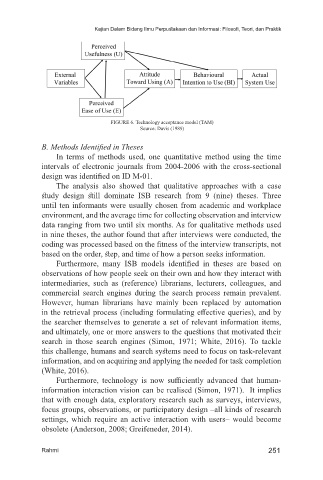
                               FIGURE 6. Technology acceptance model (TAM)
                                       Source: Davis (1989)

            B. Methods Identified in Theses
                In  terms  of  methods  used,  one  quantitative  method  using  the  time
            intervals of electronic journals from 2004-2006 with the cross-sectional
            design was identified on ID M-01.
                The  analysis  also  showed  that  qualitative  approaches  with  a  case
            study  design  still  dominate  ISB  research  from  9  (nine)  theses.  Three
            until ten informants were usually chosen from academic and workplace
            environment, and the average time for collecting observation and interview
            data ranging from two until six months. As for qualitative methods used
            in nine theses, the author found that after interviews were conducted, the
            coding was processed based on the fitness of the interview transcripts, not
            based on the order, step, and time of how a person seeks information.
                Furthermore,  many  ISB  models  identified  in  theses  are  based  on
            observations of how people seek on their own and how they interact with
            intermediaries,  such  as  (reference)  librarians,  lecturers,  colleagues,  and
            commercial search engines during the search process remain prevalent.
            However, human librarians  have mainly  been replaced  by automation
            in the retrieval process (including formulating effective queries), and by
            the searcher themselves to generate a set of relevant information items,
            and ultimately, one or more answers to the questions that motivated their
            search  in  those  search  engines  (Simon,  1971;  White,  2016).  To  tackle
            this challenge, humans and search systems need to focus on task-relevant
            information, and on acquiring and applying the needed for task completion
            (White, 2016).
                Furthermore,  technology  is  now  sufficiently  advanced  that  human-
            information interaction vision can be realised (Simon, 1971).  It implies
            that with enough data, exploratory research such as surveys, interviews,
            focus groups, observations, or participatory design –all kinds of research
            settings, which require an active interaction with users– would become
            obsolete (Anderson, 2008; Greifeneder, 2014).


            Rahmi                                                         251

